


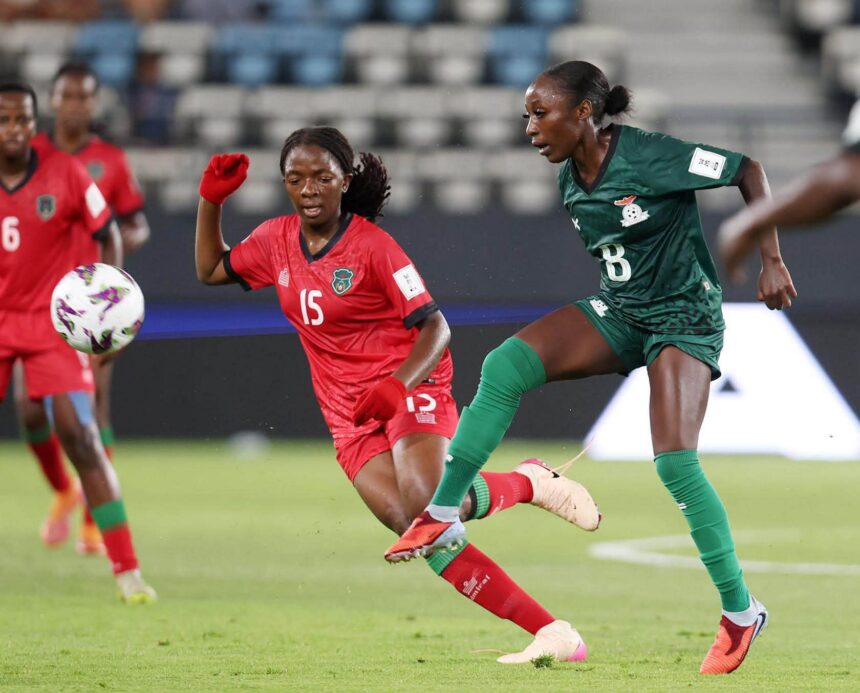
The debate over Nora Häuptle’s future as Copper Queens coach has understandably intensified following Zambia’s early exit from the 2026 Women’s Africa Cup of Nations.
For many, the verdict is simple: the coach has failed to deliver on the expectations that came with her appointment and must take responsibility.
That argument is valid. Football is a results business, and as the person entrusted with leading the national team, Häuptle must answer for the team’s performances, tactical decisions, and ultimately the results.
But while the spotlight is firmly on the Swiss, there is a bigger issue that Zambia’s football must confront: tactical indiscipline among players.
The problems we saw from the Copper Queens did not begin with Häuptle. They are symptoms of a deeper challenge that has affected Zambian football for years, across both the men’s and women’s games.
Too often, we focus on changing coaches whenever results do not go our way, yet the same problems continue to appear regardless of who is on the touchline.
A coach can spend hours preparing a tactical plan, explaining roles and demanding specific movements, but the biggest test comes when players step onto the pitch. The ability to understand situations, make the right decisions, and execute instructions under pressure is where tactical discipline separates good teams from great ones.
In Zambia, that area remains a concern.
It is not simply about blaming players. The bigger question is, where are these players learning the fundamentals of the game?
The answer takes us back to grassroots football.
If young players are not introduced to tactical concepts from an early age, understanding positioning, decision-making, game management, and adapting to different situations, we will continue to produce talented players who struggle to translate their ability into a structured team performance.
Häuptle, not the only problem.
This is why changing coaches alone will not solve the problem.
Whoever takes over from Häuptle will face the same challenge unless there is a deliberate effort to improve player development at the foundation level.
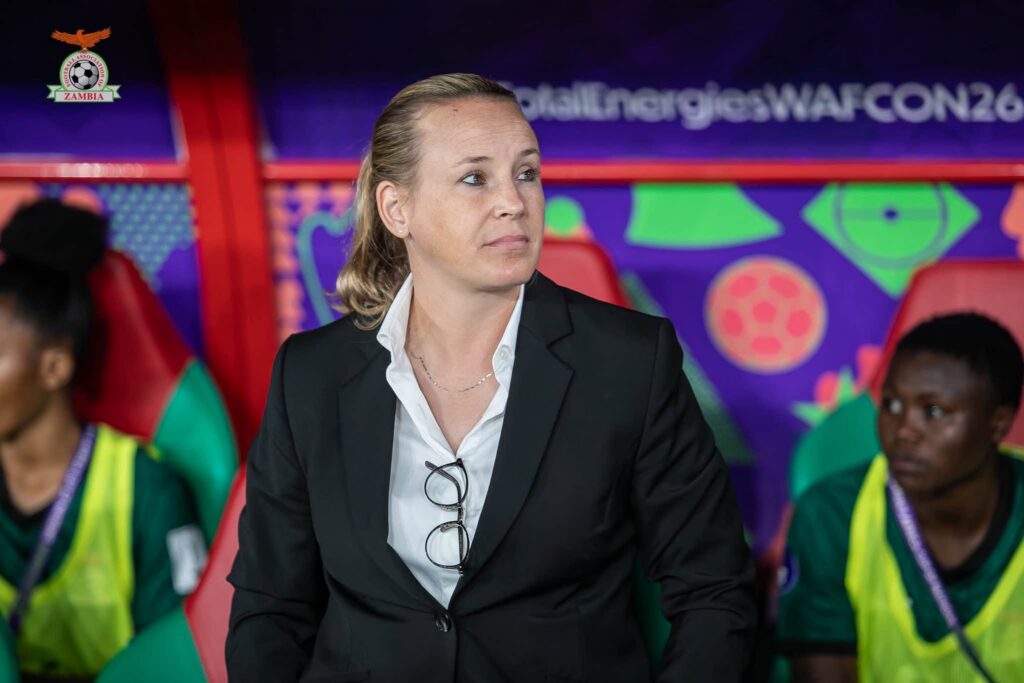
That said, Häuptle cannot escape criticism. She is the head coach, and the responsibility ultimately rests with her. She has had time to implement her ideas, select players, and build a team capable of competing at the highest level.
The Copper Queens have shown they possess quality. This is a generation that has played at the Olympics, competed at the World Cup, and raised expectations among supporters. The question is why the team has struggled to consistently perform when it matters most.
But as Zambia debates Häuptle’s future, we must avoid looking for a single person to blame.
The coach is part of the equation, but so is the system that produces the players.
The real solution lies in fixing both: demanding better from the national team coach while also rebuilding the grassroots structures that shape our footballers.
Because if we fail to address the problem at its source, we will continue having the same conversation every few years, changing coaches, changing tactics, but facing the same failures.
The Copper Queens’ struggles are not just a coaching problem. They are a reflection of a wider football culture that Zambia must urgently address.
READ ALSO : Power Dynamos Set Quarter-Final Target as Al Merreikh Test Looms.